

26th JAN 2026
Lighter, Brighter Underarms
Skinsights > Lighter, Brighter Underarms
Lighter, Brighter Underarms? It’s Possible. Here’s How.
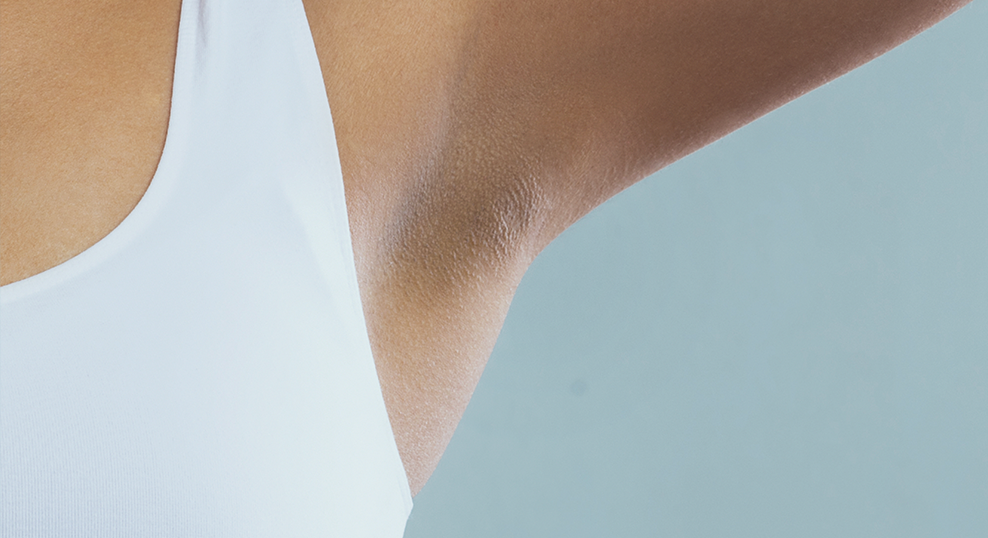
- It’s a scenario many of us know all too well. You reach for something on a high shelf, wave to a friend, or put on that new swimsuit, and suddenly, you feel self-conscious. You notice the skin under your arms or along your bikini line looks darker than the rest of your body.
- First things first: take a breath. This isn’t about hygiene, and it’s certainly not 'dirt.'
- Body pigmentation—specifically in high-friction areas like the underarms, inner thighs, and bikini line—is one of the most common skin concerns we see, especially here in the UAE and GCC. Between the intense heat, the humidity, and our regular hair removal routines, our skin goes through a lot.
- The internet is full of DIY lemon scrubs and 'miracle' whitening soaps (spoiler alert: most do more harm than good). But at ilik, we prefer science. With the right barrier care, smarter hair removal choices, and dermatologist-guided treatments, you can improve pigmentation safely.
- Let’s dive into why this happens and how to treat the cause, not just the color.
The Science: Why Do These Areas Darken?
- To understand how to fix pigmentation, you have to understand why it’s there. The skin in your underarms and bikini area is significantly thinner and more reactive than the skin on your back or legs.
- When this delicate skin faces trauma or irritation, it goes into defense mode. It triggers an inflammatory response that stimulates melanocytes (pigment-producing cells) to work overtime. This process is called Post-Inflammatory Hyperpigmentation (PIH). Essentially, the darkening is your skin trying to protect itself.
- Here are the most common culprits triggering this response:
1. The Friction Factor
- Think about your daily routine. Tight gym leggings, jeans, or even just the natural movement of walking causes skin-on-skin or skin-on-fabric rubbing. This constant friction creates low-grade inflammation. Over time, the skin thickens and darkens as a protective callus-like response.Friction is a major culprit. When you shave, wax, or use depilatory creams, you're creating micro-tears in the skin. These small injuries trigger an inflammatory response, which leads to increased melanin production.
2. Sweat and Heat
- Living in a hot climate like the GCC means sweating is inevitable. When sweat gets trapped in skin folds (like the underarms or groin), it changes the pH of the skin and creates a breeding ground for irritation and is a major driver of discoloration.
3. Hair Removal Habits
- This is the big one. Shaving, waxing, and even lasering can be friends or foes. If your technique is aggressive, you are physically injuring the skin barrier every few days. The skin responds to this repeated trauma by producing more pigment.
4. The Product Trap
- Ironically, the products used to "clean" or "fix" these areas often make them worse. Deodorants with high alcohol content, heavily fragranced sprays, and aggressive granular scrubs weaken the skin barrier. When the barrier is weak, the skin becomes even more sensitive to friction, creating a vicious cycle of darkening.
Hair Removal: Are You Making It Worse?
- Not all hair removal methods are created equal when it comes to pigmentation. Here is the dermatologist’s verdict on what works and what risks leaving a mark.
Waxing: The Pigmentation Trigger
- We know, waxing leaves you feeling smooth. But for pigmentation-prone skin, it’s often the worst offender. Waxing works by adhering to the hair and the top layer of skin. When the strip is ripped off, it creates micro-injuries and pulls at delicate tissue.
- This mechanical trauma leads to immediate inflammation (redness and stinging) which eventually heals as PIH (darkness). If you struggle with dark underarms, breaking up with your wax strip might be step one.
Shaving: Safe... If You Do It Right
- Shaving doesn’t cause deep trauma like waxing, but it acts as a physical exfoliant. The risk here comes from technique. Dry shaving, using dull blades, or shaving against the grain creates micro-abrasions. If you shave every day without hydrating afterwards, that chronic irritation will lead to darkening.
Laser Hair Removal: The Game Changer
- When done correctly, laser is often the best preventative measure for pigmentation. By permanently reducing hair growth, you eliminate the need for daily friction (shaving) or deep trauma (waxing). It also solves the issue of ingrown hairs, which are notorious for leaving dark spots.
However, the device matters.
Using the wrong laser on darker skin tones can burn the skin and cause permanent hyperpigmentation.
Prevention: How to Stop the Cycle
- You can apply all the creams in the world, but if you don’t stop the irritation, the pigment will come back. Incorporate these habits to protect your skin barrier:
- Hydrate, don't just scrub: Treat your body skin like your face. Use barrier-repair creams containing ceramides or niacinamide daily.
- Loosen up: Wear breathable, loose cotton or linen clothing, especially during exercise or hot weather.
- Ditch the alcohol: Switch to deodorants that are alcohol-free and fragrance-free.
- Sunscreen isn't just for faces: UV rays can penetrate thin clothing. If you’re at the beach, apply SPF to the bikini line to prevent the sun from darkening existing pigment.
- Gentle exfoliation: If you have ingrown hairs, use a gentle chemical exfoliant (like salicylic acid) rather than scrubbing with a loofah, which generates friction.
The Treatment: Why Store-Bought Creams Fall Short
- You’ve probably tried the brightening roll-ons from the drugstore. You’ve probably been underwhelmed. Over-the-counter products can help with mild discoloration, but they’re usually limited by lower active strengths and less targeted formulations, so results tend to be slower and more subtle than most people expect.
- They often focus on gentle exfoliation or lighter pigment inhibitors, which may not be enough once hyperpigmentation is established or sits deeper in the skin. For more stubborn patches, dermatology guidelines consistently favour prescription-strength regimens because they more directly interrupt melanin production and deliver clearer, faster results when used under medical supervision.
- That’s why the true “gold standard” for significant, long-standing hyperpigmentation is a prescription-grade protocol, often in a custom-compounded formula tailored to your skin type, pigment pattern, and tolerance, rather than a one-size-fits-all cream from the shelf.
The Powerhouse: Hydroquinone
- Hydroquinone (HQ) is the heavy lifter of pigmentation treatment. It works by inhibiting tyrosinase—an enzyme that controls melanin production. Essentially, it tells the pigment factory in your skin to shut down for a while.
- It is highly effective for:
- Underarm darkening
- Bikini-line pigmentation
- Inner-thigh friction marks
- Post-inflammatory hyperpigmentation (PIH)
Is it Safe?
- Yes, when used under medical supervision. Hydroquinone gets a bad reputation from unregulated use. It is meant to be used in specific cycles (usually 3–4 months) to clear the pigment, followed by a "holiday" phase where we maintain results with non-HQ brighteners. This structured approach avoids irritation and ensures safety.
The ilik Approach: Custom Combinations
- Pigmentation is stubborn, so we often need to attack it from multiple angles. At ilik, dermatologists rarely prescribe a single ingredient. Instead, we use compounded formulas that combine Hydroquinone with other medical-grade actives to boost results:
- Lactic Acid: Gently exfoliates the darkened surface skin and improves texture without the harshness of a scrub.
- Urea: Softens thickened skin (common in friction areas), allowing the other ingredients to penetrate deeper.
- Kojic Acid: A natural brightener that works in synergy with Hydroquinone.
- Alpha Arbutin: excellent for calming inflammation and regulating pigment.
- For maintenance, ingredients like Azelaic Acid are fantastic for keeping the skin bright once the Hydroquinone course is finished.
Managing Expectations: How Long Does It Take?
- We believe in being honest. There is no cream that will erase years of pigmentation overnight.
- With consistent, prescription-grade treatment, most patients start seeing visible improvements within 4 to 8 weeks. Significant clearing typically happens around the 3-month mark.
- Success depends on the 'Three C's':
- Consistency: Applying your treatment exactly as prescribed.
- Care: Reducing friction and avoiding harsh hair removal methods.
- Customization: Adjusting the concentration to what suits your skin best.
- Body pigmentation is normal, but you don't have to live with it if it makes you unhappy. By moving away from internet hacks and toward dermatologist-backed science, you can achieve results that are safe, effective, and actually last.